Pneumatic Exosuit Research - Shoulder Assistance System
Research and development of a wearable pneumatic exoskeleton for shoulder assistance, combining mechanical design, pneumatic actuation, and electronic control systems. Work at BIRO Lab done by lead Suzanne Oliver, focusing on biomechatronic integration for human-robot interaction.
Pneumatic Exosuit Research - Shoulder Assistance System
Overview
Research and development of a wearable pneumatic exoskeleton for shoulder assistance, combining mechanical design, pneumatic actuation, and electronic control systems. Work at BIRO Lab done by lead Suzanne Oliver, focusing on biomechatronic integration for human-robot interaction.
Project Overview
Pneumatic Exosuit Research is a collaborative biomechatronics research project conducted at the Biomechatronics and Intelligent Robotics (BIRO) Lab during Fall 2025, under the supervision of Dr. Hao Su and mentorship of Suzanne Oliver.
This project focuses on the design, development, and integration of a wearable pneumatic exoskeleton system for shoulder assistance. The work combines:
- Mechanical engineering: Pneumatic component integration and exosuit design
- Electronics: PCB development, sensor interfacing, and control hardware
- Systems integration: Real-world prototype assembly, testing, and validation
- Human-robot interaction: User-centered design for wearable assistive systems
The pneumatic exosuit represents a promising approach to lightweight, force-compliant wearable robotics that can assist users with shoulder tasks while maintaining comfort and natural movement patterns.
Research Context
Motivation
Shoulder assistance is critical for individuals with:
- Upper limb disabilities or weakness
- Repetitive strain injuries
- Post-stroke rehabilitation needs
- Industrial workers requiring load support
Pneumatic actuation offers unique advantages:
- Lightweight: Reduced system weight compared to rigid actuators
- Compliant: Natural force characteristics suitable for human interaction
- Safe: Lower stored energy than electric systems, safer human-robot contact
- Responsive: Fast actuation times for dynamic tasks
- Cost-effective: Lower cost components compared to advanced electric drives
Literature Foundation
The project builds on extensive research in pneumatic exoskeletons and assistive wearable systems. Key research directions explored:
- State-of-the-art pneumatic actuation technologies
- Human biomechanics for shoulder assistance
- Control strategies for wearable robotics
- Material science for comfort and durability
- Safety considerations in human-robot interaction
Mechanical Design & Integration
Pneumatic Actuation System
Pneumatic Cylinders:
- Integrated cylinders provide multi-degree-of-freedom shoulder assistance
- Customized mounting on wearable exoskeleton frame
- Optimized for natural shoulder kinematics and ROM (range of motion)
Valve Integration:
- Proportional control valves for smooth actuation
- Solenoid valve array for multi-directional control
- Pressure regulation for user safety and comfort
Tubing & Connections:
- Flexible pneumatic tubing for wearability
- Secure quick-disconnect fittings for modular assembly
- Routing optimization to minimize bulk and interference with movement
Wearable Suit Materials & Design
Comfort Considerations:
- Breathable, ergonomic padding at contact points
- Flexible materials to accommodate user movement
- Adjustable sizing for different body dimensions
- Minimal weight while maintaining structural integrity
Integration Points:
- Seamless connection between soft exosuit and rigid components
- Load distribution across shoulders and torso
- Anthropomorphic design following natural shoulder anatomy
- Cable and tube routing hidden within garment structure
Design Evolution & Iterations
The project involved multiple prototype iterations:
- Concept phase: CAD modeling and kinematic analysis
- Prototype v1: Initial assembly with proof-of-concept validation
- Prototype v2+: Refinements based on testing feedback
- Integration testing: Full system validation with pneumatic and electronic components
Electronic Systems & Control
PCB Development & Hardware Integration
Multi-Revision PCB Work:
- Participated in design, fabrication, and testing of multiple PCB revisions
- Integrated microcontroller, sensor interfaces, and valve drivers
- Optimized power distribution and signal routing
- Validated electrical performance across system configurations
Sensor Integration:
- Pressure sensors for pneumatic system monitoring
- Position/load sensors for feedback control
- EMG (electromyography) sensors for user intention detection
- Inertial measurement units (IMU) for motion tracking
Valve Control Hardware:
- Driver circuits for proportional solenoid valves
- Real-time control algorithms for multi-DOF coordination
- Safety interlocks and failsafe mechanisms
- Power management for battery-powered operation
System Architecture
Sensor Input → Microcontroller → Valve Driver → Pneumatic Actuators
   (EMG, IMU,        (Real-time           (PWM           (Cylinder
    Pressure)        Processing)          Control)        Extension/
                                                          Retraction)
                         ↓
                    Data Logging
                    & Telemetry
Control Strategy
The exosuit control system implements:
- User intention detection: EMG signals for voluntary control
- Force feedback: Real-time pressure monitoring for safety
- Motion coordination: Multi-valve synchronization for smooth movement
- Adaptive assistance: Proportional support based on user effort
Prototype Assembly & Integration
System-Level Integration Tasks
- Mechanical Assembly:
- Frame construction and component mounting
- Pneumatic cylinder installation and positioning
- Tubing routing and secure fastening
- Interface verification between subsystems
- Electronic Integration:
- PCB installation within enclosure
- Wiring harness assembly and routing
- Sensor calibration and testing
- Power system integration
- Subsystem Testing:
- Individual component validation
- Pneumatic system pressure testing
- Electrical circuit verification
- Sensor data acquisition and analysis
- Full System Integration:
- End-to-end prototype assembly
- Coordinated pneumatic-electronic operation
- Safety validation and failsafe testing
- Performance characterization
Experimental Validation
Testing Protocols:
- Static load testing: Sustained force generation verification
- Dynamic actuation: Response time and control accuracy
- Comfort assessment: Wearing trials and fit verification
- Durability evaluation: Cyclic testing and wear analysis
- Human-subject testing: Preliminary usability and effectiveness
Debugging & Iteration:
- Identified and resolved pneumatic leakage issues
- Optimized valve tuning for smooth control
- Refined PCB firmware for robust operation
- Improved mechanical interfaces based on testing feedback
Technical Contributions & Learning
Hands-On Experience Gained
- Pneumatic System Design:
- Component selection and sizing
- System pressure and flow calculations
- Control valve selection and tuning
- Safety considerations for pneumatic systems
- Wearable System Integration:
- Human factors in exoskeleton design
- Comfort and usability optimization
- Load distribution analysis
- Anthropomorphic design principles
- Embedded Electronics:
- PCB design review and testing
- Microcontroller programming and debugging
- Sensor integration and calibration
- Real-time control implementation
- Experimental Methodology:
- Scientific testing protocols
- Data acquisition and analysis
- Performance characterization
- Iterative design validation
Research Impact
This work contributes to advancing:
- Assistive technology: Practical solutions for shoulder assistance
- Biomechatronics: Integration of mechanical and biological systems
- Wearable robotics: Human-compatible exoskeleton design
- Pneumatic control: Advanced actuation strategies for human-robot interaction
Key Insights & Takeaways
Pneumatic Exoskeletons for Assistance
- Pneumatic actuation provides natural, compliant force profiles ideal for human interaction
- System integration challenges require careful attention to weight, comfort, and safety
- User-centered design is critical—technical performance alone insufficient
Interdisciplinary Collaboration
- Effective exoskeleton development requires mechanical engineering, controls, human factors expertise
- Clear communication between subsystem teams essential for integration success
- Iterative prototyping allows discovery of real-world challenges not apparent in simulation
Wearable Design Principles
- Weight distribution: Must balance force capability with wearability
- Comfort: Materials and interfaces directly impact user adoption
- Safety first: Pneumatic systems store significant energy; failsafes essential
- Modularity: Quick-disconnect components enable testing and iteration
Future Directions
Technology Enhancements
- Advanced control algorithms (adaptive assistance, machine learning)
- Sensor fusion for improved user intention detection
- Multi-limb coordination for full-body assistance
- Hybrid pneumatic-electric actuation systems
Clinical Applications
- Rehabilitation and physical therapy support
- Occupational assistance for upper limb disabilities
- Post-stroke recovery and motor relearning
- Chronic pain management through load reduction
Manufacturing & Deployment
- Scalable production methods for wearable systems
- Cost reduction through optimized design
- Field testing and real-world validation
- User feedback integration for next-generation design
Conclusion
The pneumatic exosuit research project provided invaluable hands-on experience in biomechatronics, wearable robotics, and assistive technology development. Working across mechanical design, pneumatic systems, and electronic control allowed me to develop a comprehensive understanding of how to translate theoretical concepts into functional prototypes within a research environment.
This experience reinforced my passion for biomechatronics and assistive technologies—developing systems that meaningfully improve quality of life for individuals with motor disabilities. The collaborative, iterative nature of the work, combined with mentorship from experienced researchers, accelerated my professional growth and clarified my research interests.
Acknowledgments
Sincere gratitude to:
- Suzanne Oliver for mentorship and research guidance
- SREENIDHI KAMALAM MOHAN NIRMAL KUMAR for collaborative engineering and core technical contributions
- Muxiao Zhang for mechanical design and integration support
- The entire BIRO Lab community for supporting a rich research environment
This project represents the beginning of my journey in wearable assistive robotics—a field at the intersection of engineering excellence and human-centered design.
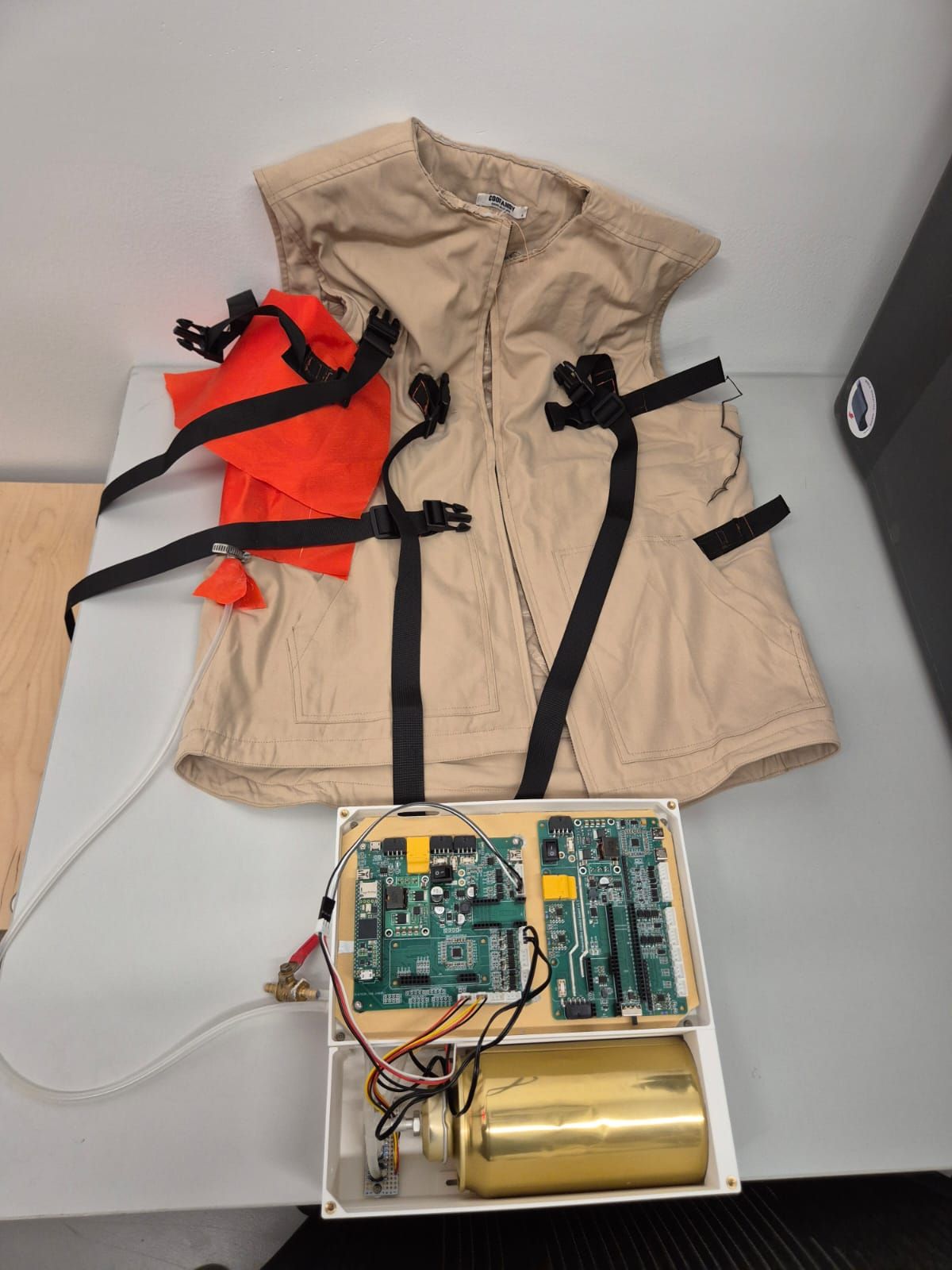
Pneumatic shoulder exosuit prototype
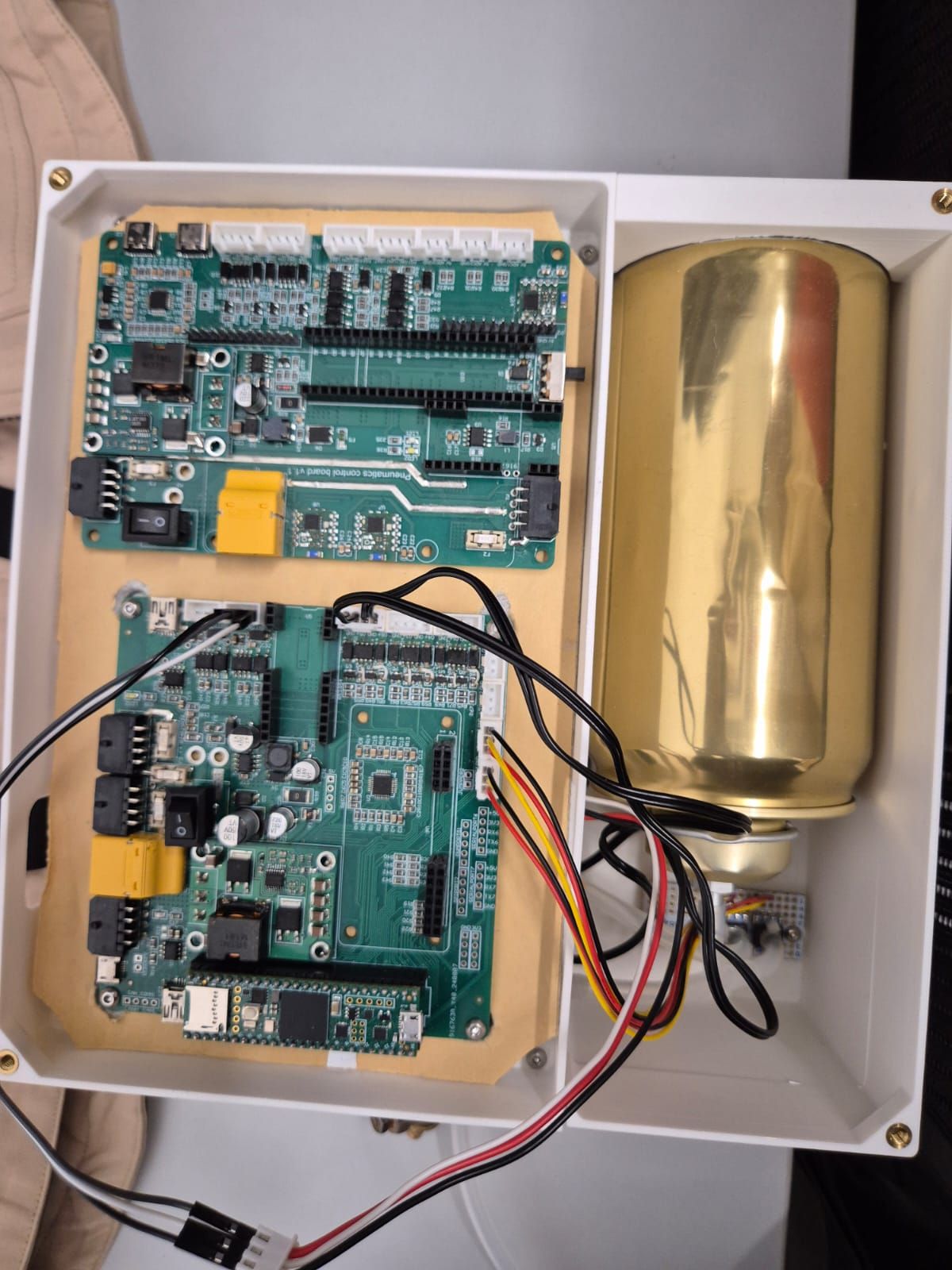
Exosuit mechanical assembly and components
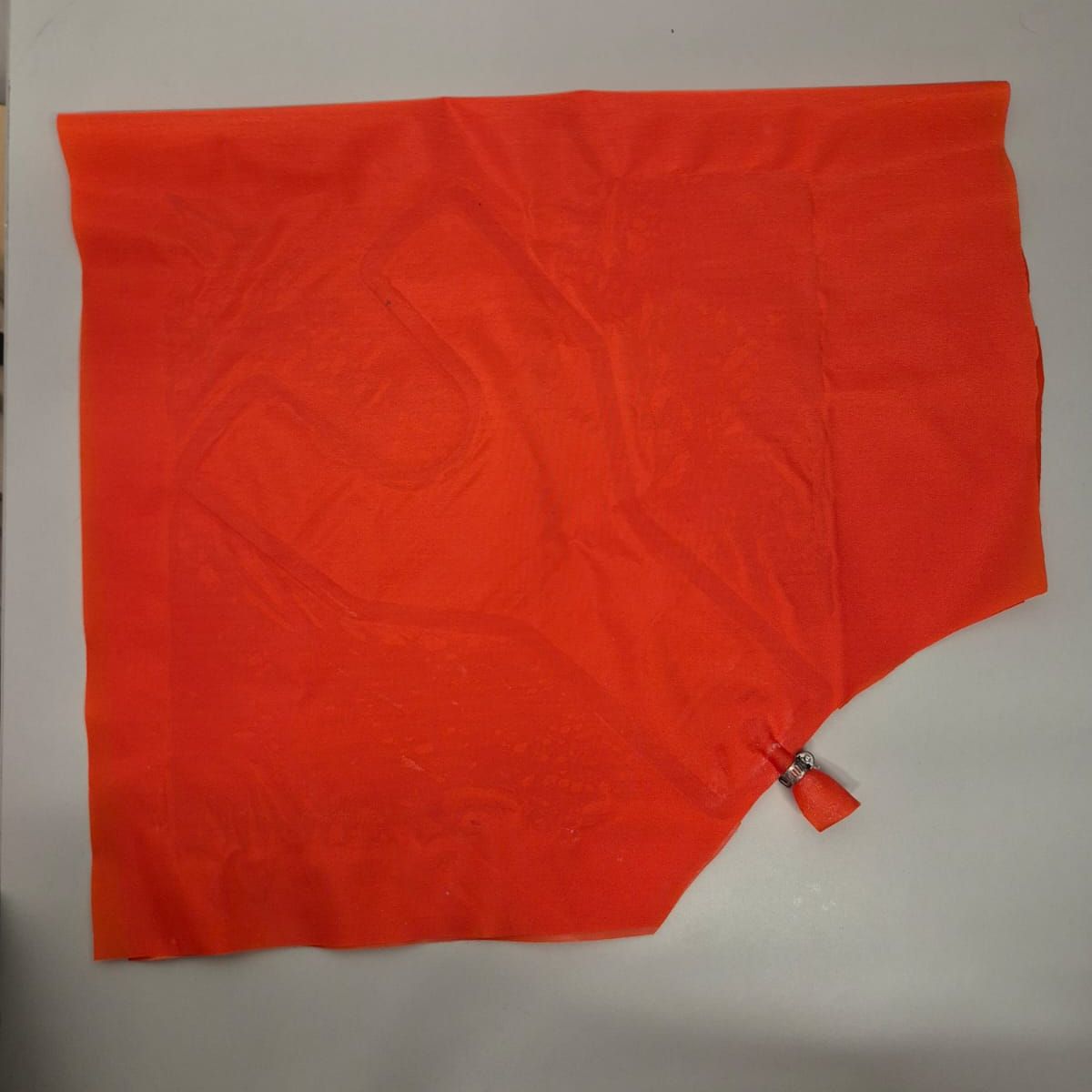
Soft Pneumatic actuator fabrication